Understanding Dethatching Costs
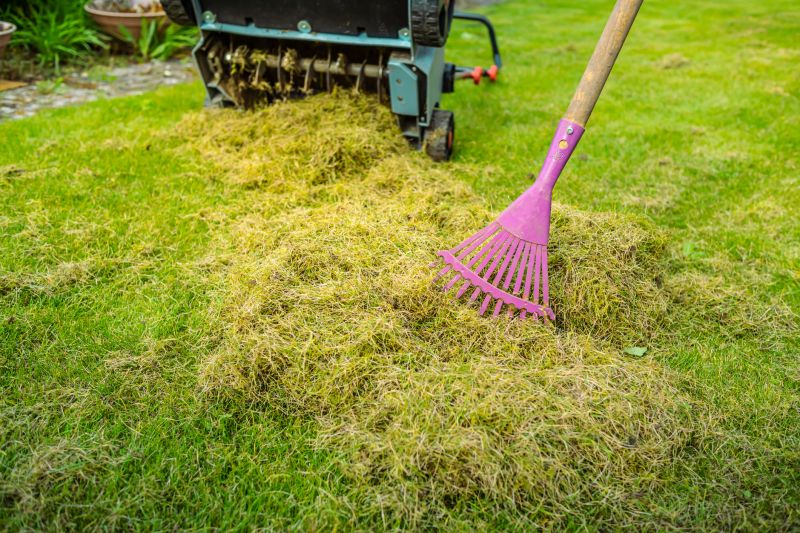
Larger lawns require more time and resources, increasing the overall cost of dethatching.
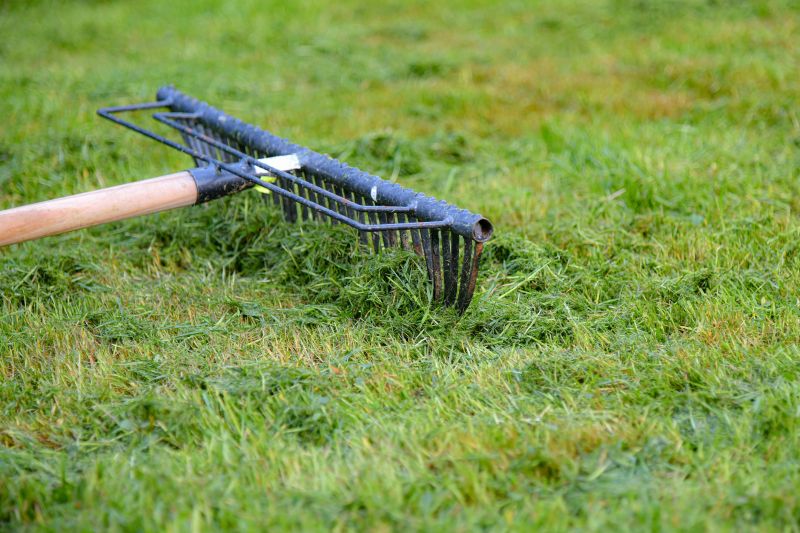
Mechanical dethatching tends to be more cost-effective compared to manual or specialized equipment options.
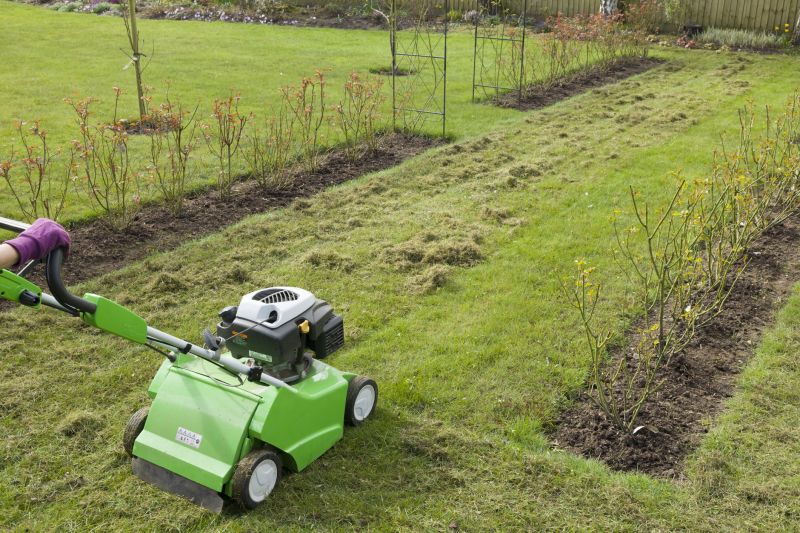
High-quality machinery can speed up the process but may also influence the price due to rental or operational costs.
| Factor | Impact on Cost |
|---|---|
| Lawn Size | Larger areas increase total expense |
| Thatch Thickness | Thicker thatch requires more intensive work |
| Access Difficulty | Hard-to-reach areas may add to labor costs |
| Type of Equipment | Advanced machinery may raise costs |
| Service Frequency | One-time vs. regular dethatching affects pricing |
| Additional Services | Seeding or aeration can add to total cost |
The cost of dethatching varies based on the size and condition of the lawn, with larger and more heavily thatched areas typically incurring higher expenses. Equipment choice and accessibility also influence pricing, as specialized machinery or difficult terrain can increase labor and operational costs. Proper assessment of these factors ensures an accurate estimate and effective planning for lawn maintenance.
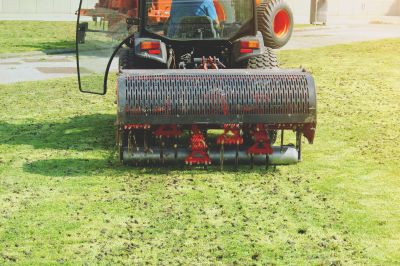
Different machines, from power rakes to scarifiers, influence the cost based on their complexity and rental rates.
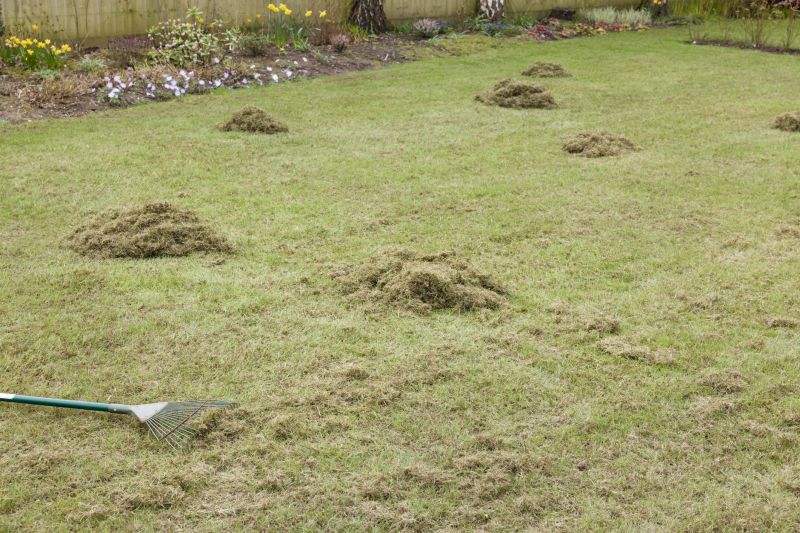
Compacted or heavily thatched lawns may require more intensive dethatching, affecting pricing.
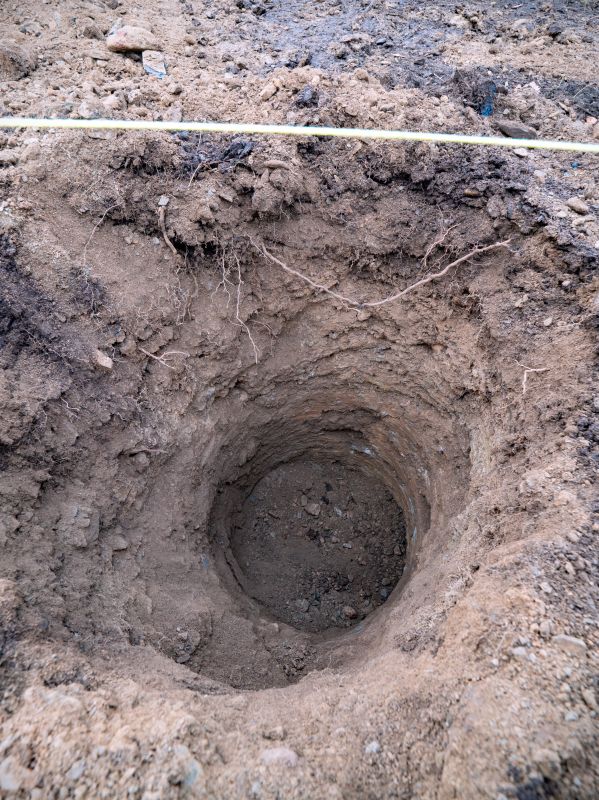
Dethatching interior or landscaped areas can involve additional setup and labor costs.
| Service Type | Average Price Range |
|---|---|
| Basic Lawn Dethatching | $200 - $500 |
| Deep Thatch Removal | $500 - $1,000 |
| Power Raking | $150 - $400 |
| Manual Dethatching | $300 - $700 |
| Aeration and Dethatching Combo | $400 - $1,200 |
| Overseeding Post-Dethatching | $200 - $600 |
| Lawn Renovation | $1,000 - $3,000 |
| Core Aeration | $100 - $300 |
| Soil Testing | $50 - $150 |
| Lawn Fertilization | $100 - $400 |